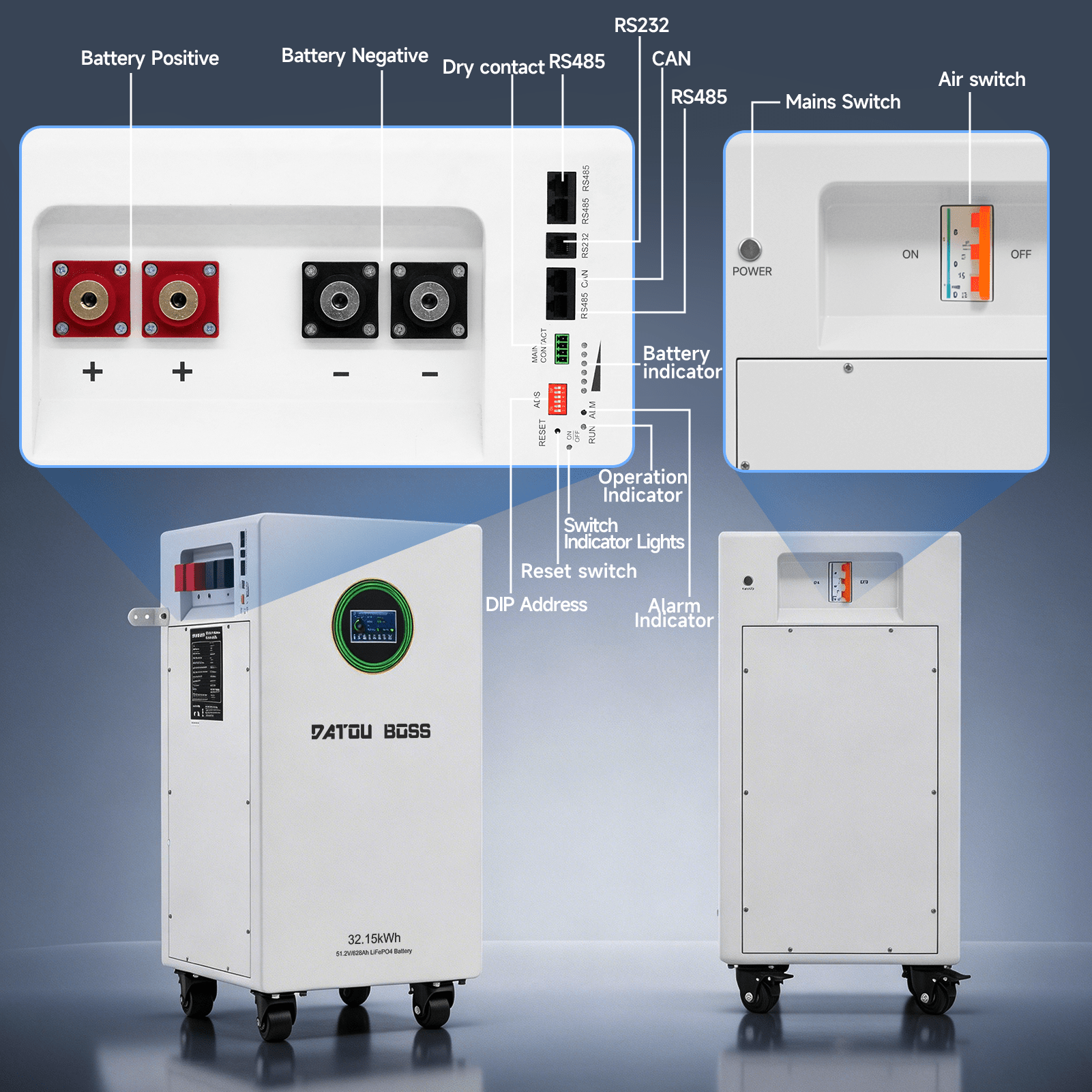
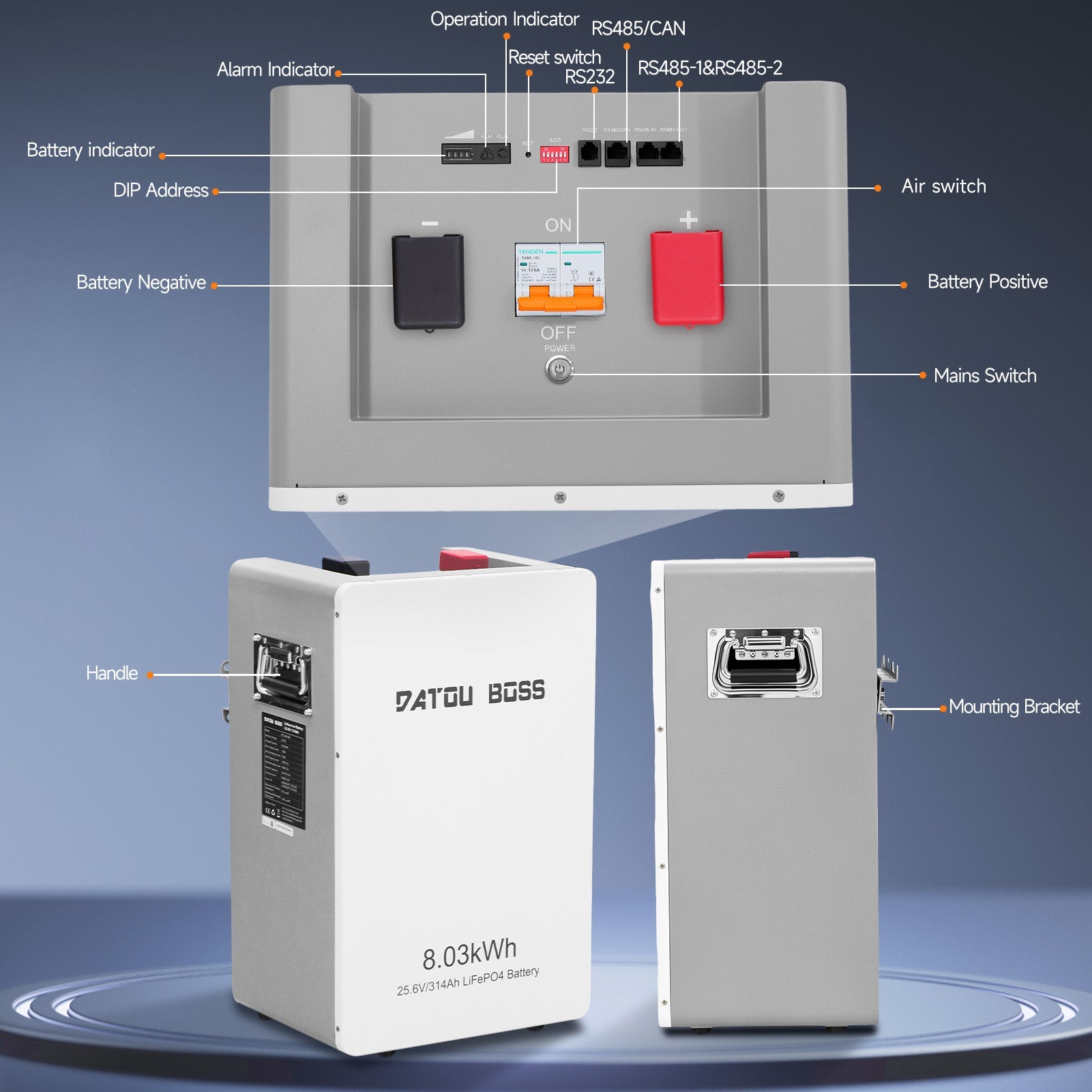
A dependable battery is the foundation of a practical solar and backup-power system. For homes, RVs, cabins, and off-grid workshops, the DATOUBOSS 24V 314Ah LiFePO4 battery combines approximately 8kWh of energy storage with a 150A battery management system and Bluetooth mobile-app control. Its metal enclosure is designed for integration with a compatible inverter, solar charger, or off-grid power system.
1. What Does 24V 314Ah Mean?
The product is marketed as a 24V 314Ah LiFePO4 battery. The battery label identifies a nominal voltage of approximately 25.6V and a capacity of 314Ah. A simple energy estimate can be calculated as follows:
25.6V × 314Ah ≈ 8.03kWh
This is a nominal calculation rather than a guarantee of usable output. Actual usable energy depends on the inverter or DC loads, charge and discharge limits, BMS settings, wiring losses, temperature, operating current, and the reserve selected for the system.
| Item | Product information |
|---|---|
| Battery chemistry | LiFePO4 |
| Nominal system class | 24V |
| Nominal voltage shown on product | 25.6V |
| Capacity | 314Ah |
| Approximate nominal energy | 8.03kWh |
| Maximum BMS current listed | 150A |
2. How Much Runtime Can 8kWh Provide?
Runtime depends on the total load rather than the battery label alone. For an initial estimate, divide the usable battery energy by the connected load:
For example, a 500W combined load would theoretically use 500Wh per hour. An 8.03kWh nominal battery therefore represents a substantial energy reserve, but the practical runtime will be lower after accounting for inverter efficiency, battery reserve, startup demand, and the operating limits of the system.
| Example load | Approximate operating time before losses |
|---|---|
| 200W essential loads | About 40 hours from 8kWh nominal energy |
| 500W mixed home loads | About 16 hours from 8kWh nominal energy |
| 1,000W continuous load | About 8 hours from 8kWh nominal energy |
| 2,000W continuous load | About 4 hours from 8kWh nominal energy |
These examples are for planning only. They do not account for conversion losses, battery reserve, temperature, surge current, or the actual usable capacity available at a particular discharge rate.
3. Home Backup: Keep Essential Loads Available
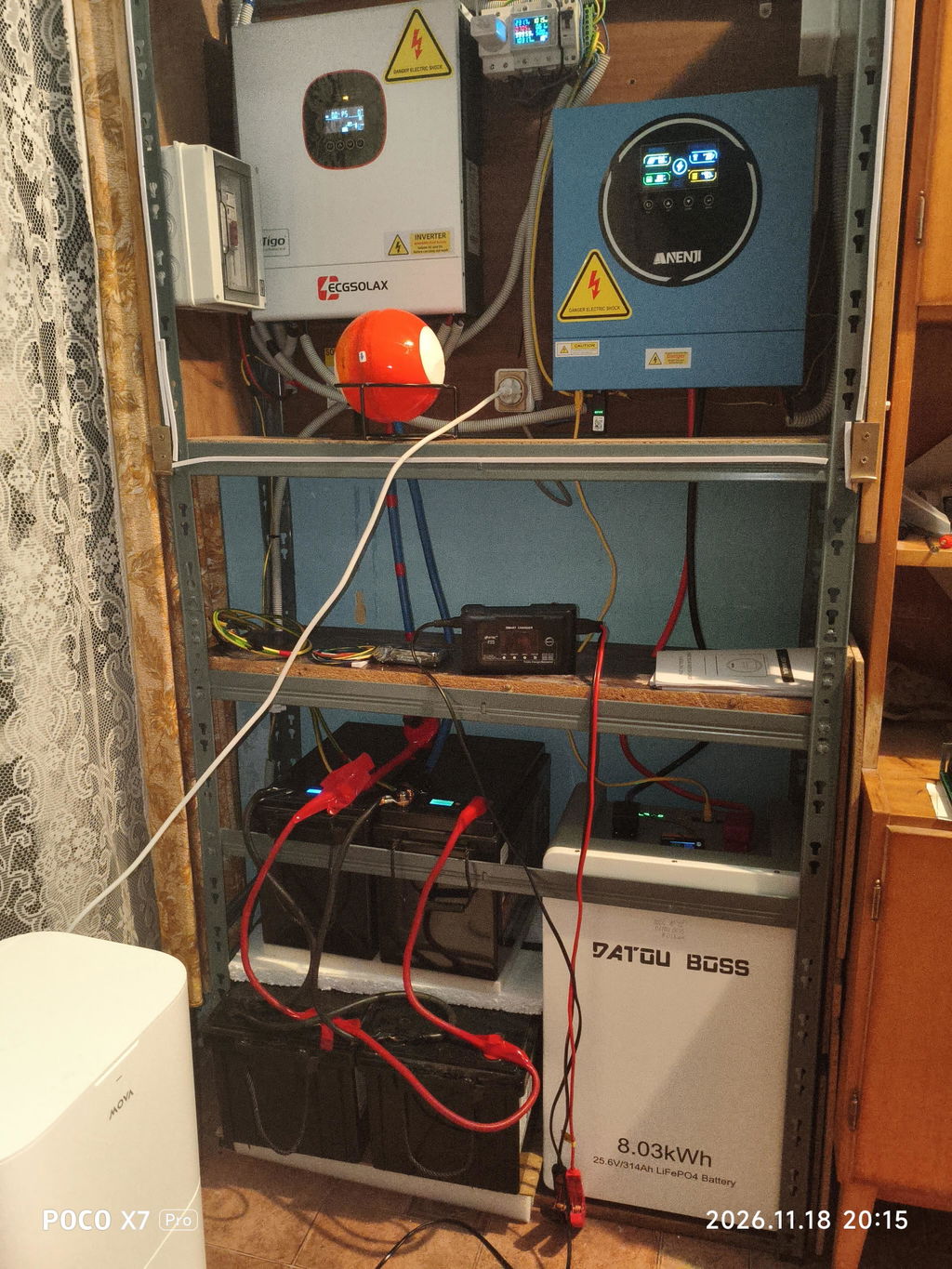
In a home backup system, the battery can store energy from solar panels or a compatible charger and make that energy available when the grid is unavailable. Typical essential loads may include a refrigerator, router, lights, security equipment, a small circulation pump, and selected outlets.

The 150A BMS helps manage battery operating conditions and can provide protection functions such as overcharge, over-discharge, overcurrent, and short-circuit protection, depending on the system configuration and BMS implementation. Correctly sized fuses, disconnects, cables, and a compatible charger are still required.
4. RV and Mobile Energy Storage
A 24V-class battery can be used in a mobile power system where the available space, cable length, ventilation, mounting method, and inverter voltage all match the installation requirements. The large capacity can support refrigeration, lighting, communications, water pumps, and other RV loads when paired with suitable power electronics.


5. Solar and Off-Grid Applications
In an off-grid system, the battery acts as the energy buffer between solar production and electricity use. Solar power can charge the battery during the day, while stored energy can support lighting, refrigeration, tools, communications, and other loads when solar production is low.

6. What Does Bluetooth Monitoring Add?
The product page lists Bluetooth mobile-app control. A mobile connection can make it easier to review battery information without opening the enclosure. Depending on the compatible app and BMS configuration, users may be able to view state of charge, voltage, current, temperature, alarms, and other operating information.
Mobile monitoring is useful for checking the system before starting a high-power load, reviewing charging behavior, and identifying an alarm condition. It should be treated as a monitoring aid rather than a replacement for correctly installed protection equipment or an electrician's inspection.
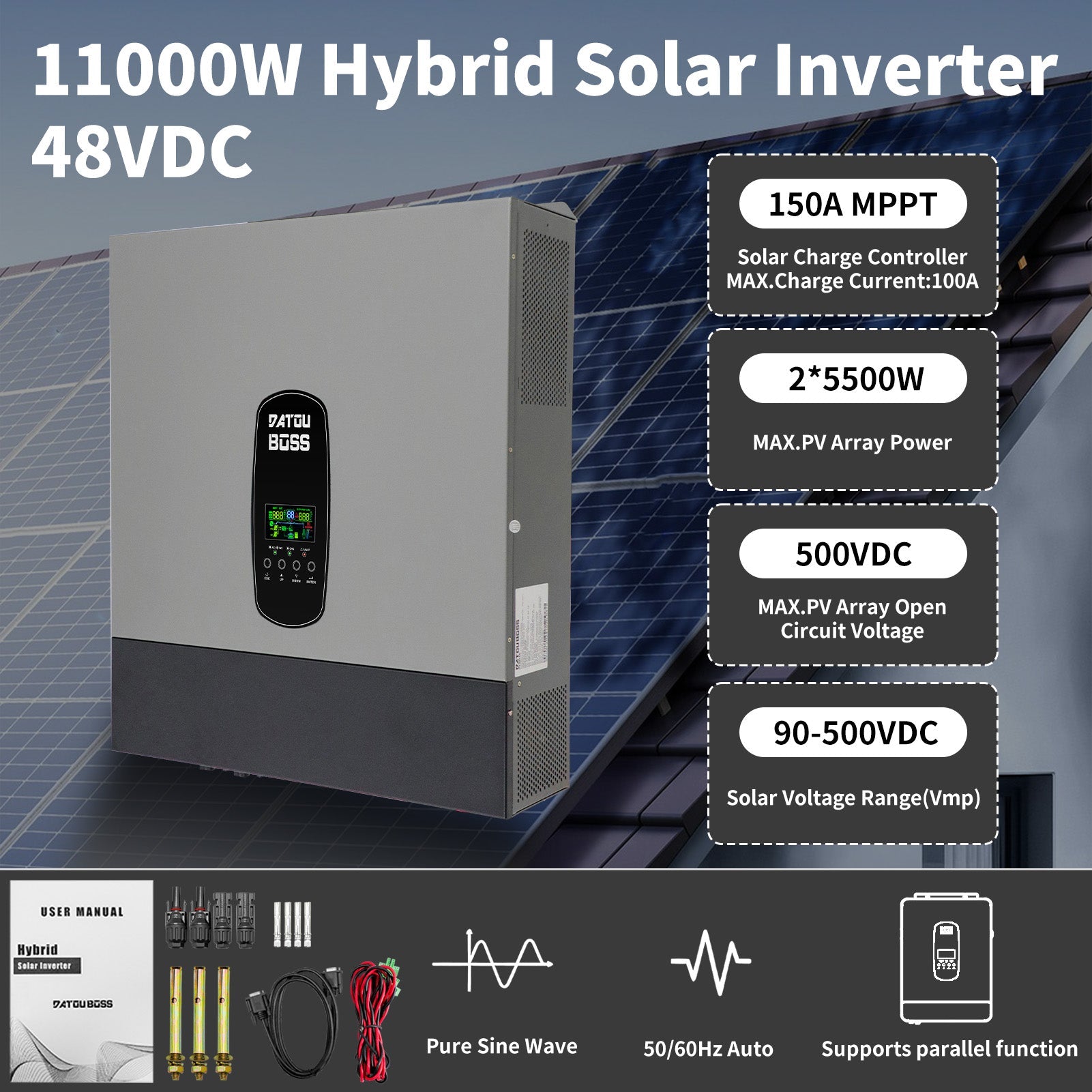
7. How Should the Battery Be Matched With an Inverter?
The inverter must be compatible with a 24V battery bank and with the battery's continuous and peak current capability. A rough DC current estimate can be made from the AC output power:
For example, a 2,000W AC load at approximately 25.6V would require more than 78A before conversion losses are included. Higher loads require higher DC current, larger conductors, suitable fusing, and careful attention to voltage drop. The inverter's surge demand must also be checked against the BMS and battery specifications.
| System check | Why it matters |
|---|---|
| Battery voltage | Must match the inverter or DC system's 24V-class input. |
| Continuous current | Must remain within the BMS, cable, fuse, and inverter limits. |
| Peak current | Motor and compressor startup may require additional current. |
| Charging profile | Use a charger designed for the battery chemistry and voltage. |
| Communication | Confirm whether the inverter requires CAN, RS485, or no communication link. |
8. Installation and Safety Considerations
The battery should be installed in a dry, clean, and appropriately ventilated location with enough clearance for inspection and service. Keep the battery away from direct water exposure, uncontrolled heat, and materials that could damage the enclosure or terminals.
- Use a compatible 24V-class charger, inverter, and solar controller.
- Install a suitably rated fuse or circuit breaker close to the battery positive terminal.
- Use cables sized for the continuous and peak current of the system.
- Protect and cover the terminals to reduce the risk of accidental short circuits.
- Secure the battery against movement in vehicles, RVs, and mobile installations.
- Follow local electrical regulations and have the system commissioned by a qualified professional.
9. Why Choose This 8kWh LiFePO4 Battery?
- Large storage capacity: Approximately 8.03kWh nominal energy from a 25.6V/314Ah configuration.
- High-current BMS: The product page lists a 150A BMS.
- Flexible applications: Suitable for home storage, solar systems, RVs, and off-grid backup projects when correctly integrated.
- Mobile monitoring: Bluetooth mobile-app control helps users review battery status.
- Service support: The product page lists a 5-year warranty, 30-day free returns, and free shipping subject to current terms and destination.
Explore the DATOUBOSS 24V 314Ah LiFePO4 Solar Battery
For home backup, RV power, solar self-consumption, and off-grid energy storage, the DATOUBOSS 24V 314Ah LiFePO4 battery provides approximately 8.03kWh of nominal storage, a listed 150A BMS, and Bluetooth mobile-app control in a metal enclosure. Confirm the inverter, charger, cable, fuse, and installation requirements before selecting it for your system.
View Product Details